 News Feed
  Blog
Blog  Explore
  Events
  Forum
Forum  Jobs
Jobs  My Network


The Industry Nobody Knows Exists Is the Industry We Need to Save
Let's be honest.
We live in a world where people eating food on camera, pulling pranks, screaming at strangers and doing ridiculous things to themselves is wildly popular on social media.
There is an entire economy built around it.
And meanwhile, there is an entire professional world that has quietly existed for generations that millions of people have never even heard of.
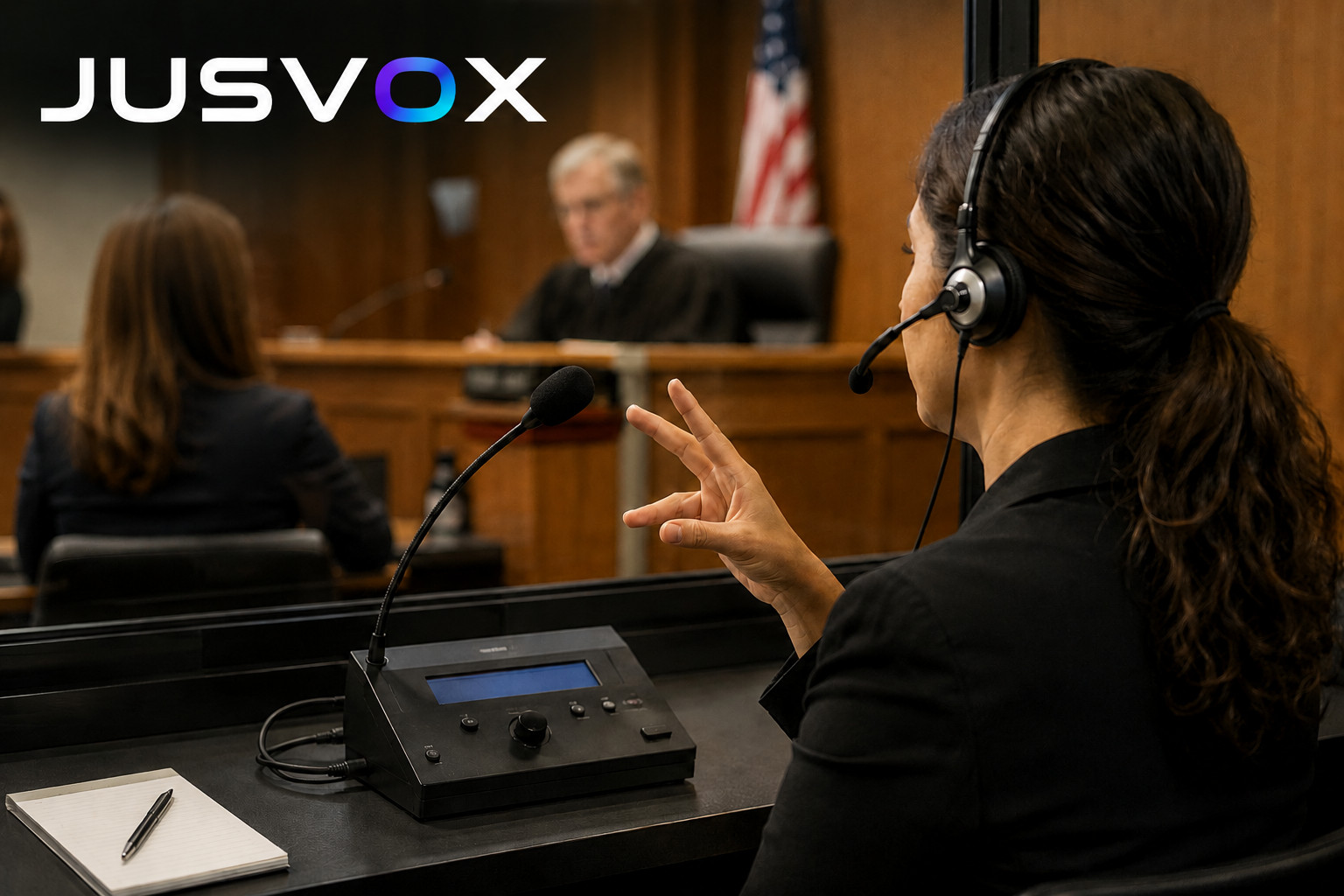
Court reporters. Legal videographers. Notaries. Process servers. Trial technicians. Legal interpreters. Litigation support professionals.
People who help the legal system actually function.
And we're facing a problem.
People Are Retiring. Fewer People Are Coming In.
The National Court Reporters Association's March 2026 statistics show that its court reporter membership has an average age of 56, while only 8% of reporter members are students.
The American Bar Association has also discussed the continuing shortage of court reporters and stenographers, noting that the shortage affects deposition scheduling and availability nationwide.
This isn't some imaginary problem.
The federal judiciary literally relies on court reporters to create records of proceedings. Federal law requires certain proceedings to be recorded verbatim, and federal court reporters produce transcripts of those proceedings.
And yet ask 20 people on the street what a court reporter does.
A lot of them won't know.
Ask a teenager what they want to be when they grow up.
You probably won't hear "court reporter."
And that's partly our fault.
We Haven't Told Anyone About Us.
If you're a court reporter, legal videographer, notary, process server or another litigation professional, you have to represent your profession.
Talk about it.
Post about it.
Show people what you do.
Take people behind the scenes.
Show the courtroom.
Show the deposition.
Show the stenograph machine.
Show the legal video setup.
Show the crazy places a mobile notary has to travel.
Show what a process server actually does.
Show the technology.
Show the people.
Because if nobody sees the profession, how are they supposed to know it exists?
And Then Comes AI.
This is where people get nervous.
Someone hears about court reporting and thinks:
"Why would I spend years learning this if AI is just going to replace me?"
That's a legitimate question.
Technology is absolutely changing legal services. But technology doesn't automatically mean the profession disappears.
In fact, the federal judiciary is already using technology to help address reporter shortages. The judiciary has expanded an initiative allowing court reporters to provide services remotely to other courts where reporters are scarce.
And federal courts still advertise court reporter positions requiring people to create verbatim records, maintain records and produce transcripts.
The future probably isn't humans vs. AI.
It may be humans who know how to use AI and technology vs. humans who don't.
That's a very different conversation.
So How Do We Revive This Industry?
We stop hiding.
1. Make the professions visible.
Turn court reporters into content creators.
Show the job.
Show the lifestyle.
Show the money.
Show the technology.
Show the weirdest deposition you've ever worked.
Show what happens before the attorneys walk into the room.
Make someone watching TikTok think:
"Wait... people actually do this for a living?"
That's the reaction we want.
2. Start talking to young people.
Don't wait until someone is 45 and looking for a career change.
Get into high schools.
Community colleges.
Career fairs.
TikTok.
Instagram.
YouTube.
Podcasts.
Tell a 17-year-old that there are careers outside of becoming an influencer, going to a four-year college or working a traditional 9-to-5.
3. Stop making technology the enemy.
Learn it.
Use it.
Embrace realtime.
AI-assisted workflows.
Remote proceedings.
Digital evidence.
Legal video.
New transcript technologies.
The professionals who understand the technology are going to be much more valuable than those who refuse to touch it.
4. Make the industry exciting.
Because it actually is.
You're sitting in rooms where lawsuits worth millions of dollars are being discussed.
You're witnessing testimony.
You're working with attorneys, witnesses, judges, corporations and experts.
You're sometimes traveling.
You're sometimes working from home.
You're sometimes walking into places most people will never see.
That's a story.
We just haven't been telling it very well.
5. Build one giant community.
This is one of the reasons platforms like JusVox matter.
Court reporters shouldn't feel like they're working in isolation.
Neither should legal videographers, notaries, process servers, interpreters, trial technicians or the hundreds of other people who support the legal system.
We need to know each other.
Refer each other.
Mentor each other.
Hire each other.
Talk about the profession.
And bring the next generation in.
Because This Is Bigger Than a Job.
This is the part people forget.
A court reporter isn't simply sitting behind a machine typing words.
They're helping create the record.
A legal videographer isn't simply holding a camera.
They're documenting testimony.
A process server isn't simply delivering paperwork.
They're helping move a legal proceeding forward.
A notary isn't simply stamping a document.
They're performing a formal act that gives a document or signature legal significance under applicable law.
These professions exist because the justice system needs people who make the process work.
And eventually, that system affects all of us.
You don't have to be a lawyer.
You don't have to be involved in a lawsuit today.
You don't even have to care about courtrooms.
Because someday, you might.
And when that happens, you want the professionals who support that system to still be there.
So Here's the Challenge.
If you're already in this industry:
Be proud of it.
Put yourself on camera.
Tell people what you do.
Post your day.
Mentor someone.
Bring a student to work.
Answer questions.
Show the world what happens behind the scenes.
And if you're thinking about entering the profession but you're afraid AI will make your career disappear before you finish school, don't make that decision based on fear.
Technology is changing this industry.
That doesn't mean the industry is dying.
It means we're entering another chapter.
And maybe the biggest threat isn't AI.
Maybe it's nobody knowing we exist.
Let's change that.
The next generation is out there.
We just have to give them a reason to look our way.
JusVox: Give the legal professionals behind the legal system a voice.